
Insights into Dietary Principles and Weight Management Strategies
Explore foundational concepts of nutrition, the role of macronutrients and micronutrients, and evidence-based approaches to sustainable wellness.
Explore the Topic
Core Concepts
Energy Balance and Metabolism
Understanding energy balance—the relationship between calories consumed and expended—is foundational to grasping how weight management functions. Metabolism encompasses all biochemical processes that convert food into energy, influenced by factors such as age, physical activity, and genetic predisposition.
This section explores how the body processes energy and how various lifestyle factors contribute to overall metabolic function.

Macronutrients: Structure and Function
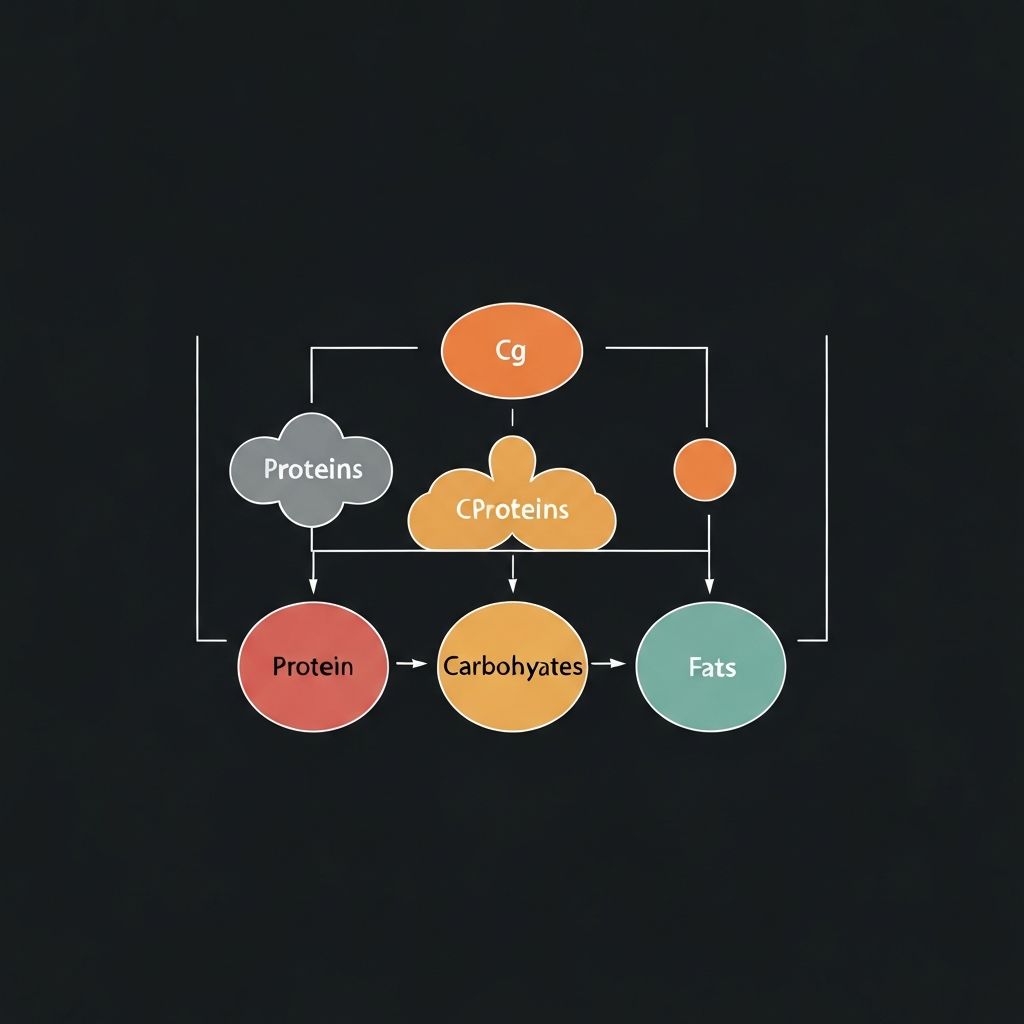
Macronutrients—proteins, carbohydrates, and fats—are the primary components of food that provide energy and support vital biological functions. Each plays a distinct role in maintaining health and supporting physical activity.
Proteins build and repair tissues, carbohydrates provide immediate energy, and fats support hormone production and nutrient absorption. A balanced intake of these macronutrients is essential for optimal bodily function.
Micronutrients and Their Roles
Micronutrients—vitamins and minerals—are required in smaller quantities but are critical for numerous physiological processes. They support immune function, bone health, energy production, and cognitive performance.
A varied diet rich in fruits, vegetables, whole grains, and lean proteins typically provides adequate micronutrients for most individuals. Understanding their sources and functions helps inform dietary choices.

Building Healthy Habits

Dietary Consistency
Sustainable weight management relies on consistent eating patterns rather than restrictive diets. Planning meals, understanding portion sizes, and making informed food choices create a foundation for long-term wellness.
Discover Concepts →
Physical Activity
Regular movement supports metabolic health, cardiovascular function, and mental wellbeing. Physical activity encompasses structured exercise, daily movement, and recreational pursuits—all contribute to overall wellness.
Learn More →
Sleep and Recovery
Sleep quality directly influences metabolic processes, appetite regulation, and decision-making. Adequate rest is essential for the body's repair mechanisms and supports optimal cognitive and physical performance.
Understand Principles →
Stress, Sleep, and Metabolic Function
Chronic stress and poor sleep disrupt hormonal balance, affecting appetite regulation and metabolic efficiency. Stress management practices—such as mindfulness, physical activity, and adequate rest—support metabolic health and overall wellness.
Understanding the interconnection between stress, sleep quality, and nutrition provides insight into holistic approaches to sustainable weight management and improved health outcomes.
Scientific Understanding
Food Classification and Nutritional Density
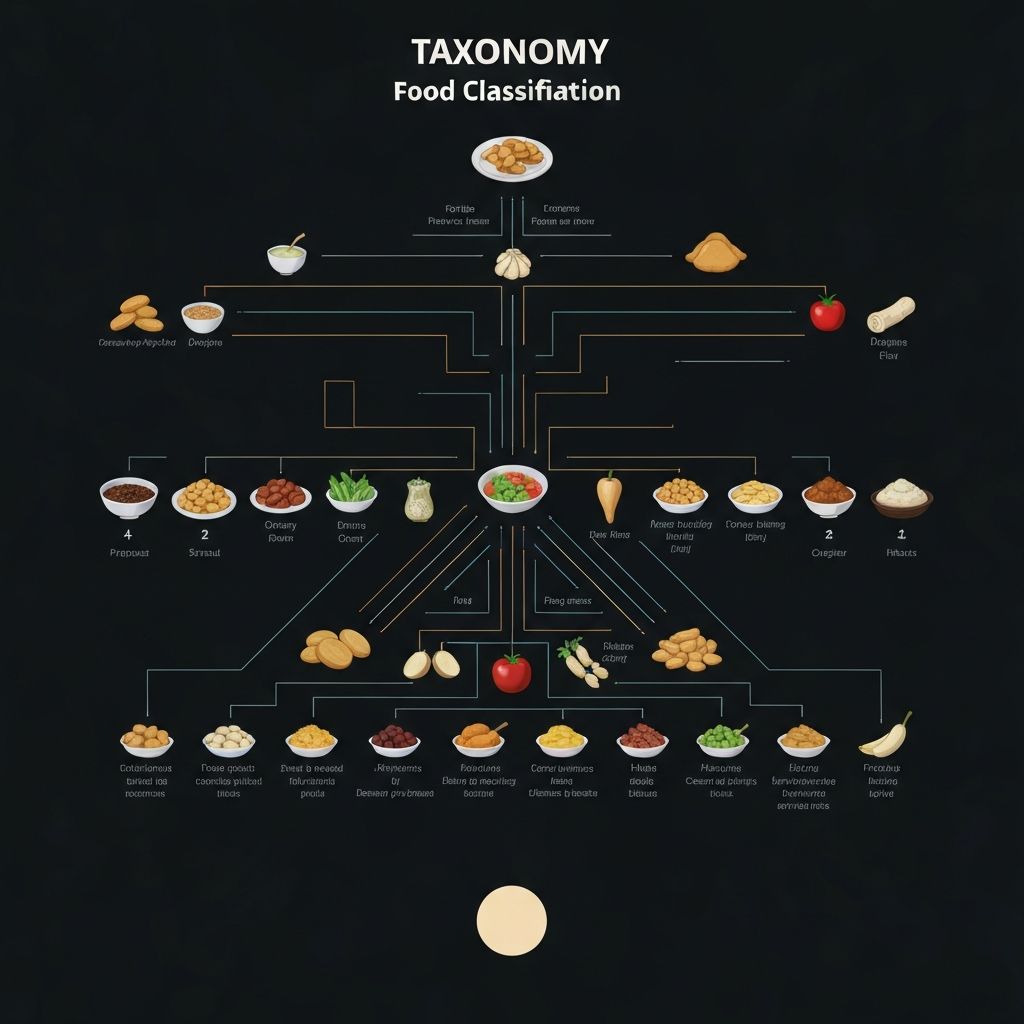
Foods can be classified by their nutritional composition and processing level—whole foods, processed foods, and ultra-processed foods each have distinct characteristics and nutritional profiles.
Whole foods such as vegetables, fruits, legumes, nuts, and whole grains typically provide higher nutritional density, offering more vitamins, minerals, and fiber per calorie than highly processed alternatives.
Debunking Common Myths
Many claims about weight management and nutrition lack scientific support. Concepts such as "detoxification," "fat-burning" supplements, or extreme dietary restrictions often misrepresent biological processes and can be counterproductive to long-term health.
Evidence-based approaches emphasize sustainable dietary patterns, consistent physical activity, and psychological wellbeing rather than rapid or dramatic interventions.

Sustainable Wellness Approach

Beyond Quick Fixes: A Holistic Perspective
Sustainable approaches to wellness consider multiple dimensions: nutritional balance, consistent physical activity, stress management, adequate sleep, and psychological wellbeing. This integrated perspective acknowledges that weight management is influenced by biological, behavioral, and environmental factors.
Rather than pursuing short-term results through restrictive measures, evidence supports gradual, sustainable lifestyle modifications that can be maintained long-term and contribute to improved health across multiple dimensions.
Delve Deeper into ResearchImportant Context
Educational Purpose: This resource provides general information about dietary principles and wellness concepts. It is not a substitute for personalized medical advice or professional healthcare guidance.
Individual Variation: Nutritional needs and the effectiveness of various dietary approaches vary significantly among individuals based on genetics, health status, medications, and life circumstances.
Professional Consultation: Individuals considering significant dietary changes or those with existing health conditions should consult with healthcare professionals or registered dietitians for personalized recommendations.